
Can Cats Eat Crackers? All You Need To Know
Cats are playful animals, and they are primarily interested in eating what they see their owners take, but in this case, they are more curious even to bring food. But can cats eat crackers, or are crackers an excellent thing to feed the cat? It is, therefore, necessary to understand whether crackers are suitable for cats and what they need in terms of nutrition to be healthy.
What Are Crackers Made From?

Crackers are prepared from flour, oil, salt, and sometimes sugar or other spices or condiments. There are several kinds: plain, salty, sweet, or specially flavored. Although these ingredients might be fine for people to consume, they are unsuitable for cats.
Cats are obligate carnivores and need meat mainly for their body requirements. Their usage of carbohydrates and plant-based products is not as efficient as that of humans.
Crackers are also often very high in sodium, which can be dangerous to cats. Like all other salts, sodium causes the body to lose lots of water, which can lead to sodium poisoning in extreme conditions.
Why your cats should not be fed crackers regularly?

Although crackers may not be considered a lousy treat for your cat, they are unhealthy because they contain nutrients absent in a cat’s diet. Pets need certain dietary ingredients like taurine, arachidonic acid, and natural animal protein, which crackers don’t contain.
One wrong human decision is that cats also need salt in their diet because they used to get it in their favorite fish. Excessive and undesired salt consumption harms feline health, leading to high blood pressure and kidney problems. Ions may form salts and cause sodium ion poisoning, which symptoms include vomiting, diarrhea, convulsions, and possibly death.
Also, the crackers may be flavored; therefore, they have additives such as garlic or onion powder that are lethal to cats. Depending on the amount ingested, though small, these may lead to stomach upsets or, worse, anemia.
Is It Safe for Cats to Take Crackers as Treats?
However, it is advisable to refrain from feeding your cat crackers, although occasional plain crackers will not harm your cat much if well served. For example, if preparing the cracker, the following ingredients should be avoided: salt, sugar, garlic, or onions, as they may be poisonous to the butterfly.
They are far from harmless in small portions, so crackers should not form a part of your cat’s diet. Instead, ensure that you feed them with cat-friendly foods that contain the proper nutrients for the animal.
It is now known that such treats are well-packed nutritionally and meet all feline requirements. If you’re searching for a way to feed your cat, consider giving it small pieces of cooked chicken or ordering cat treats at the pet shop.
| Type of Cracker | Can Cats Eat It? | Explanation |
| Plain Crackers | No | They are high in carbohydrates and salt, which harm cats and lack nutritional benefits. |
| Saltine Crackers | No | It contains high sodium levels, leading to dehydration and sodium poisoning in cats. |
| Cheese Crackers | No | Artificial flavors, salt, and dairy are not suitable for cats, many of whom are lactose intolerant. |
| Whole Wheat Crackers | No | It contains unnecessary grains and carbs for a cat’s carnivorous diet. |
| Multigrain Crackers | No | High in carbohydrates and grains that cats cannot digest properly. |
| Ritz Crackers | No | They are rich in fats, salt, and additives, making them unhealthy for cats. |
| Goldfish Crackers | No | It contains cheese, salt, and additives like garlic powder, which harm cats. |
| Prawn Crackers | No | Prawn-flavored crackers contain salt, flavoring, and oil, which are bad for a cat’s health. |
| Graham Crackers | No | High in sugar, leading to obesity and diabetes in cats. |
| Rice Crackers | No | Even if rice is less harmful, rice crackers usually contain salt and flavoring that are unsuitable for cats. |
| Crackers with Seeds | No | Seeds can pose a choking hazard and are difficult for cats to digest. |
| Gluten-Free Crackers | No | It is gluten-free but still contains carbohydrates and additives that are not beneficial for cats. |
| Flavored Crackers | No | It often includes harmful ingredients like garlic or onion powder, which are toxic to cats. |
| Butter Crackers | No | High in fat and salt can lead to obesity and other health problems in cats. |
| Oyster Crackers | No | Smaller but still contain salt and carbs that are unnecessary for cats and can be harmful. |
In summary, crackers like Ritz, Prawn, Goldfish, and others contain high levels of salt, fats, and potentially toxic additives, making them unsafe for cats.
What Do You Get If You Feed a Cat Crackers?

Generally, they are harmless, and if your cat accidentally eats a small piece of plain cracker, you should not worry. Most of the time, the cat may not have any ill effects, possibly if the cracker has no toxic components. However, you need to pay attention to your cat’s signals that indicate it is uncomfortable.
If the cracker had salt, garlic, or other poisonous items, you would realize signs such as vomiting, diarrhea, drowsiness, or excessive salivation. Have you ever found your cat demonstrating any of these signs? If so, do not hesitate to talk to a vet for consultation. In this case, precaution is better than cure because early intervention prevents severe health complications.
What are the Nutritional Needs of Cats?
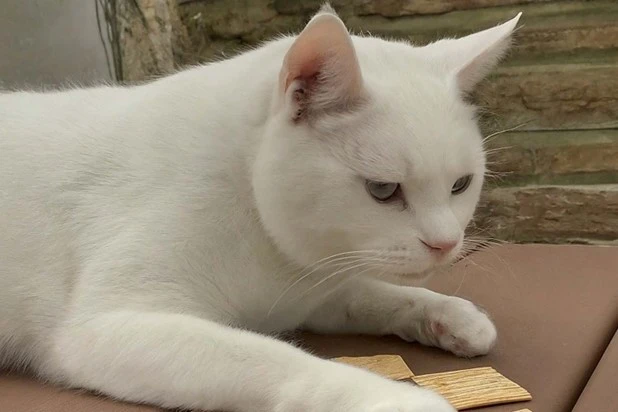
Cats are carnivorous and strongly inclined toward nutrients sourced from animal muscles. Their bodies are built to metabolize proteins and fats from meat, which they consume; thus, they do not require carbohydrate crackers.
The primary nutrients that cats need include:
Taurine – Arginine is an amino acid not synthesized by the body and benefits heart, eye, and gut health.
Protein – In a bid to build the muscles in addition to growth.
Fats: These are for energy and to aid in absorbing some vitamins such as beta-carotene.
Vitamins and minerals – especially Vitamin A, Vitamin D, and calcium—are essential for cat health.
Crackers are plant-based and have a high carbohydrate content, while some have added vitamins and minerals to meet man’s daily needs. However, crackers contain none of the nutrients cats need in their diets, not to mention adequate quantities.
What are any Healthier Treats for your Cats?
However, if you are looking for a treat for your cat, there are many healthier options that you can provide to your cat. Most cat treats on the market are formulated to entice cats and supplement their diets. You can also consider these natural, cat-safe options:
Cooked chicken or turkey—The meats mentioned above are protein-oriented and low-fat, so that they can be a good treat for your cat.
Canned tuna or salmon: Check that it has been packed in water, not oil, and doesn’t include extra sodium.
Although catnip is not a food item, catnip toys are popular with many cats because cats can play with and chew toys made from catnip.
Treats should be administered with extreme caution. It’s always safer to administer treats formulated for cats with the proper nutritional value without the dangers posed by foods such as crackers.
What to Do if Your Cat Develops Symptoms After Eating Crackers
If your cat develops vomiting, diarrhea, or lethargy after consuming crackers, you should take it to the vet. These symptoms could be signs that your cat has eaten something toxic or is troubled to break down the crackers for digestion.
Sometimes, your vet will prescribe some home care for your feline, but if the signs become severe or chronic, your cat may need to be seen by your veterinarian. The complications can, therefore, be prevented by early identification and management of the disease.
How to Stop Cats from Eating Crackers?
The only method to avoid getting your cat to eat crackers or other unfitting human food is to ensure that such foods are beyond the claw’s reach. Keep foods for yourself and any other food that is good for humans but bad for cats in closed cupboards or tins your cat cannot open.
One thing that should not be encouraged is feeding the cat directly from your plate because this will likely cause the cat to develop certain bad habits and eat something dangerous.
Teaching the cat not to approach people’s food is also helpful. There should be no shortage of cat-safe treats and meals, and it is essential never to feed cat people’s food, even if the cat looks like it wants some.
Conclusion about Can Cats Eat Crackers
Although cats may appear interested in crackers, such food is not suitable for cats. At most, crackers do not contain the necessary ingredients for the cats’ survival; also, they have high salt content and may contain hazardous additives. You should not feed your cat with crackers but should take time and buy some feline dietary treats. Some nutrients and fat need to be provided in the right amount, while some other food items should be given to cats as a treat.
One Comment